What Helps Book Printing and Binding Run Smoothly
When each step is clearly laid out, book printing and binding can feel a lot less stressful. It doesn’t need to be complicated. A steady process, along with sharp attention early on, helps keep things simple later.
Whether you're building a workbook, putting together an educational project, or self-publishing a story, planning matters. From how the pages are arranged to how the material feels in your hands, small upfront choices shape the full outcome. We’ve found that a bit of patience at the start saves hours at the end. If you've ever had to scrap pages or rework a file at the last minute, you know how frustrating it can be when things go off track.
By focusing on layout, structure, materials, and timing, the whole process flows better from the first file upload to the last printed copy. That's what we're unpacking here, what really helps a book move smoothly from idea to reality.
Getting Files Ready Before Print Starts
One of the fastest ways to delay printing is to send in a file that’s not fully prepared. Even the most common errors, like missed margins or low image quality, can slow everything down or lead to costly redos. Give your file a second look before sending it off.
Set up margins and page size correctly at the start. Make sure content isn’t sitting too close to the edge, where it’s at risk of getting trimmed off. If you're unsure, allow more breathing room rather than less.
If your book includes images or diagrams that spread to the edge, include a bleed. Add a bit of extra space beyond the final cut line so that no unprinted white strips appear where you expected full coverage.
Take time to scroll through the file from beginning to end. Watch out for slides in spacing or font size that might not be obvious after staring at it for hours. Structure your content into clear sections with headers to keep it accessible for the reader.
Clean files get through printing quicker, with fewer surprises down the road.
Choosing the Right Print Combinations
Not every book needs the same treatment, so it helps to match your layout and finish to what’s inside. This is when small details start to shape the look and feel of the final book. The wrong paper or sizing can throw off your whole format and make a clean page look overcrowded or thin.
Books with diagrams or charts tend to do better with more space. Consider layouts that give those visuals room to breathe. If your content is text-heavy, smaller fonts and narrower margins might work fine.
The paper you choose changes how the ink settles and how heavy the book feels. Thicker paper brings a stronger feel, especially for reference content or books that may be handled a lot. Lighter paper suits shorter runs where less bulk is better.
Think about how your book reads from one page to the next. If you’re debating between sizes like A4 or A5, mock up a few pages in each. See how the layout shifts, what may work in one size could feel cramped or stretched in the other.
At Spine Book Printing, you can print in A4, A5, or novel size, with 100gsm uncoated or 150gsm silk paper, in black and white or full colour. Covers can be laminated in matt or gloss to match your content and handling needs.
Balancing layout with the right print details can make your book feel more natural to handle and easier to read.
The Binding Part: Keeping It Neat and Strong
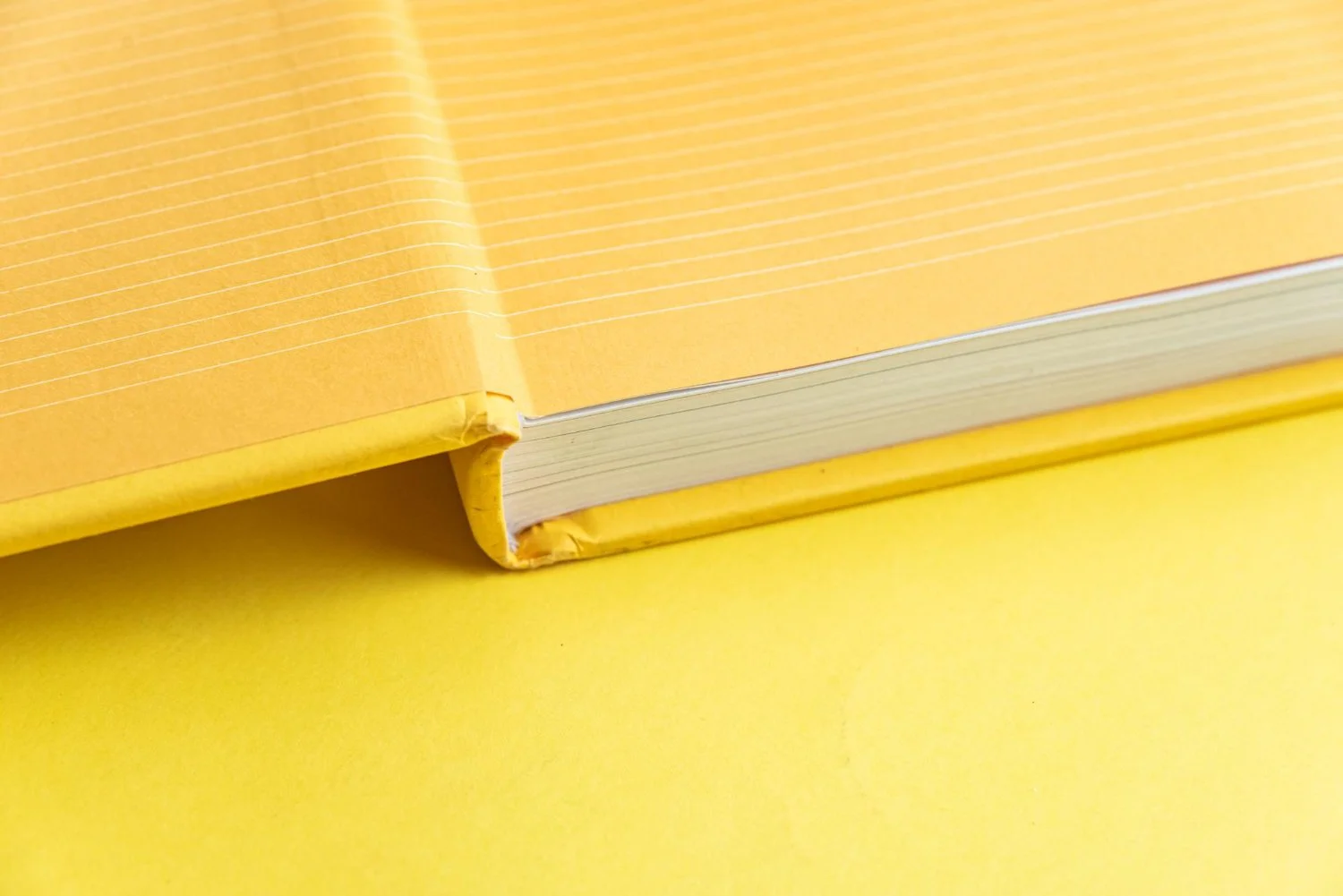
Binding isn’t just what keeps the pages together. It controls how the book folds, opens, and lasts. If you rush this stage, things can feel flimsy or out of sync. It pays to align your file and layout with the binding from the start.
Begin by making sure your inner margins leave space for the bind. Too-tight spacing near the book’s spine might make it harder to read or crop part of your content when the book is closed.
Check that your binding choice supports the length and weight of the book. Thinner books can get by with simpler binding, but longer or heavier ones need a sturdier hold.
Front and back covers need their own space. Don’t run key info right up to the edges. Keep the title, author name, or main image centred so they don’t get pinched, folded, or lost after the book is assembled.
This part is about durability and design meeting halfway. A strong spine and a neat finish give the book physical structure and support.
Timing the Print Process in Spring
As spring picks up, printing often gets busier. April can be especially full due to school term ends, events, and project launches. Fitting your timelines in early means fewer wait times and more breathing room if tweaks are needed.
Work backwards from the date you want books delivered or shared. Factor in a week or two for proofing, where you review a physical or digital copy before giving the final green light.
Set deadlines for layout approval, and don’t leave design decisions until the last moment. Even one-day delays early on can mean days lost later in the queue.
Double-check where you’ll be storing the printed copies. Larger books, especially A4 in bulk, can take up more space than expected. Make sure they stay dry and flat during storage.
Trying to rush a book through spring printing is a recipe for missed windows and costly corrections. A bit of wiggle room early can make all the difference.
Clarity at Every Step Brings Better Results
A smooth book printing and binding experience really comes down to coordination. From how the file looks to how it’s printed and pulled together, each step lines up with the one before it. There’s no secret shortcut. Just thoughtful pacing and choices that match your book’s purpose.
When the layout reflects your message, the materials suit the reader, and the schedule gives you time to adjust, the whole experience feels manageable. It’s easier to spot errors early and avoid last-minute decisions that throw everything off.
Steady planning builds confidence. Whether it’s your first print or one of many, keeping control at each step pays off.
A solid layout that holds up from cover to spine starts with the right setup. With strong page structure, clean print files, and a binding style that suits your content, your project comes together beautifully. We make it straightforward with our easy options for book printing and binding designed to support clarity, scale, and structure. At Spine Book Printing, our goal is to keep the process simple from start to finish. Ready to move forward with your project? Let us know how we can help.