How to Use A5 Print Paper for Novels and Booklets
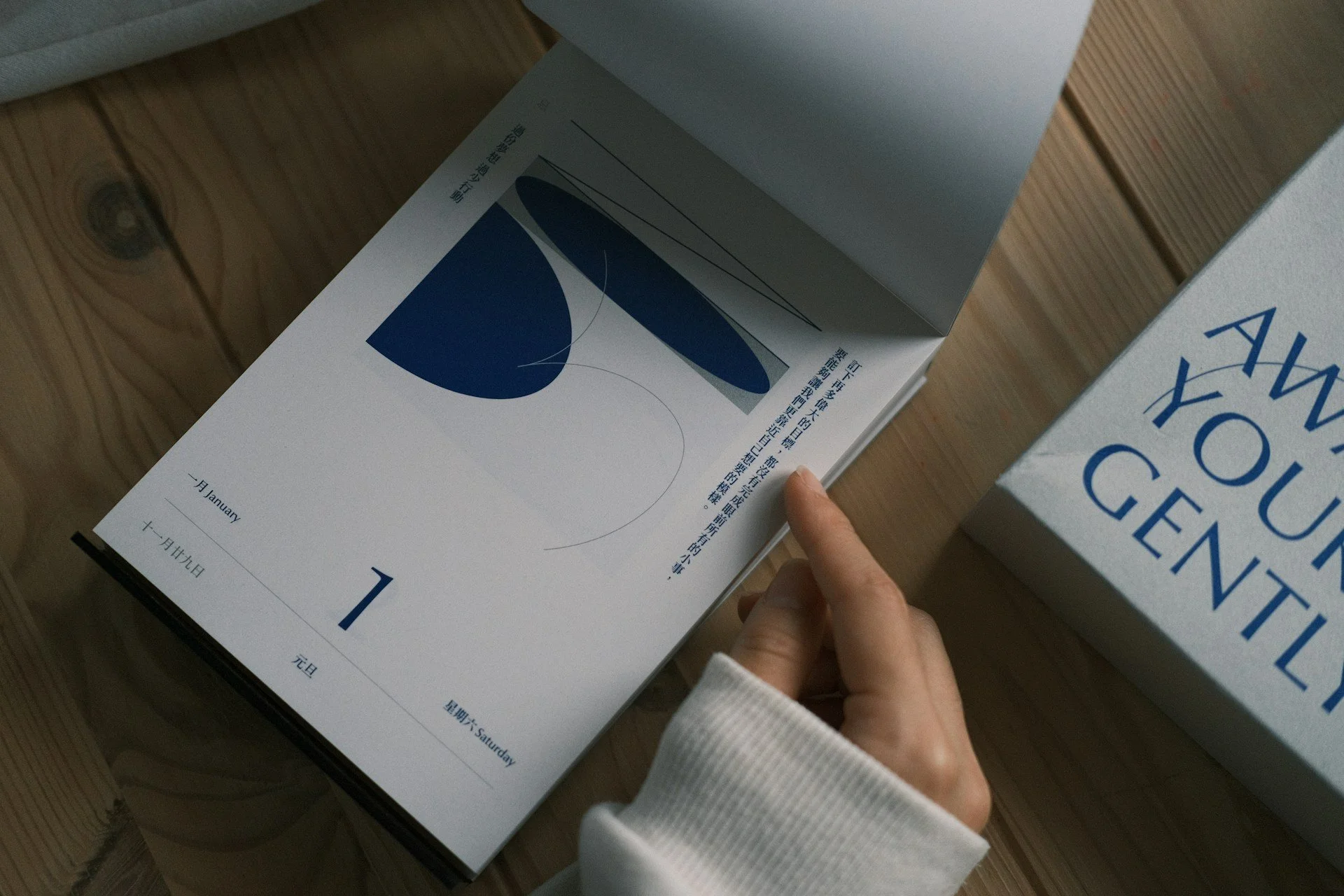
A5 print paper has become a steady favourite among writers putting together compact books and booklets. Its smaller size makes it simpler to carry, easier to read on the go, and quicker to shelve when space is tight. For those planning self-published fiction, memoirs or helpful resources, A5 can offer both structure and flexibility.
At the start of the year, many writers and project creators start laying out plans for books they aim to release as the weather softens into early spring. That seasonal shift brings a natural deadline for new ideas, from personal books to teaching booklets or creative passion projects. Taking a closer look at how A5 print paper supports those formats helps keep things on the right track before files go off to print.
What is A5 and Why Size Matters
A5 paper measures 148 mm by 210 mm. That is exactly half the size of a full A4 sheet. While the visual difference does not feel dramatic at first glance, the shift from A4 to A5 changes the way stories or content flow across the page.
• Fewer words fit per page, which means a novel or guide may need more total pages to fit the same material.
• This increase affects spine size, paper weight, and sometimes cover layout, all things that should be reviewed during setup.
• What A5 offers in return is a tidy feel. It is compact without being cramped. Many readers find it easier to hold and more inviting than larger sizes, especially when reading for longer periods.
Its smaller footprint helps balance structure with softness. This is why it suits fiction, journals, booklets, or any project where tone and layout need to feel calm and clear.
Choosing the Right Layout for an A5 Novel
Good design starts with looking at the reader's experience. A5 allows for a neat page, but that space needs to be used well. Small size does not mean everything should be squeezed to fit.
• Margins need room to breathe. If text runs too close to the edges, it starts to feel heavy or awkward.
• Type size should be large enough to read comfortably, but not so big that it shortens paragraphs too much.
• Line spacing matters too. With enough space between lines, chapters feel more polished and people spend more time on the page.
Chapter breaks and page balance also need thought. Big blocks of text in a small format can slow the reading pace. Fiction needs flow, and keeping chapters well spaced in A5 can make the whole book easier to follow. If the layout feels crammed or uneven, it distracts from the story. A5 gives structure but depends on design choices to keep that structure working.
It is helpful to consider how dialogue and scene changes will look on smaller pages. Indenting paragraphs and dividing longer chapters into shorter sections can make each transition feel natural and keep readers moving comfortably through the story. When the novel's tone matches the physical format, the overall reading experience feels more connected and enjoyable.
Creating Booklets That Work in A5 Format
Not everything that works for a novel fits a booklet, and that is fine. Booklets often have different needs, like visuals or short blocks of information. That is where A5 really starts to stand out. It handles focused content comfortably, but only if it is set up to suit the project.
• A5 works well for activity books, classroom materials, workshop handouts or poetry sets.
• Each page has room for small sections of text, illustrations or exercises without overfilling the space.
• Layout choices need to leave space for reader notes or interaction if it is a learning-focused booklet.
For informational booklets that use charts or small diagrams, A5 can carry the load as long as details are not jammed together. Pacing matters. A5 booklets should give the reader space to slow down, look closely or use the content over time. This makes it useful for seasonal materials or short guides that need to land well during a particular month or term.
A5’s lightweight quality makes booklets convenient to tote around. Teachers, students, and event organizers appreciate how easy it is to distribute A5 booklets at workshops or meetings. When preparing handouts or poetry anthologies, make sure each page features enough white space and alignment for a clean, uncluttered feel. This format encourages both reading and participation, enhancing the value of the content.
What to Plan Before Sending Files to Print
Once the layout sits right, the technical side becomes just as important. A5 might be smaller, but that means planning needs to be more precise.
• Bleeds and safe zones can be missed more easily on small layouts, so check margins before upload.
• Page order needs to read correctly across a folded booklet or bound spine. Even one page moving out of place can throw things off.
• Paper weight and finish should link to the purpose. Lightweight paper fits novels without adding bulk. Heavier silk paper suits booklets with lots of images or photos.
If colour is part of the design, make sure it reflects well on the smaller space. Quiet tones often work better in A5 than harsh contrast. And when it comes to the cover, remember that the spine will be thin, and any wrap-around effect should stay aligned with the reduced width. A5 size means small changes carry more visual weight.
Check that all fonts and image resolutions are high enough to print clearly at the finished size. Before uploading, view a sample or use a proofing system to ensure that important content does not get cut off or shrink in production. A careful review of all technical specifications will make for a smoother print and binding process.
Get More from A5 Printing
When a book or booklet is printed in A5, it sets its own rhythm. This size supports slower reading, clear pacing, and simpler structure without losing strength. That matters during early spring when book events, workshops or seasonal reading plans begin to line up.
A5 can help make your book feel personal yet polished, especially when paired with custom options like 100gsm uncoated or 150gsm silk paper to suit each type of project. You can also choose between matt or gloss cover lamination for a look that matches your style. With print choices shaped to your needs, your booklet or novel will feel complete from the very first page.
Planning to format your next project with an A5 layout can truly showcase how your finished piece will support your vision. Choosing the right trim size is necessary for strong, cohesive content, especially when working with A5 print paper that offers a clean, readable feel. At Spine Book Printing, we customise every layout to fit the design needs you set from the outset, so your words and structure remain in step throughout. Whether you have a novel, resource booklet, or something unique in mind, we are here to help bring every detail together from concept to delivery. Connect with us to make your book truly print-ready.
Elevate your book's appeal with expertly crafted layouts that draw readers in from the first page. At Spine Book Printing, we understand the importance of both aesthetics and readability, offering solutions tailored to your storytelling needs. Explore our comprehensive services, including interior book design, to ensure your publication looks polished and professional. Let us help you create a memorable experience for your readers.