Everything to Know About Book Printing Services UK Paper Types
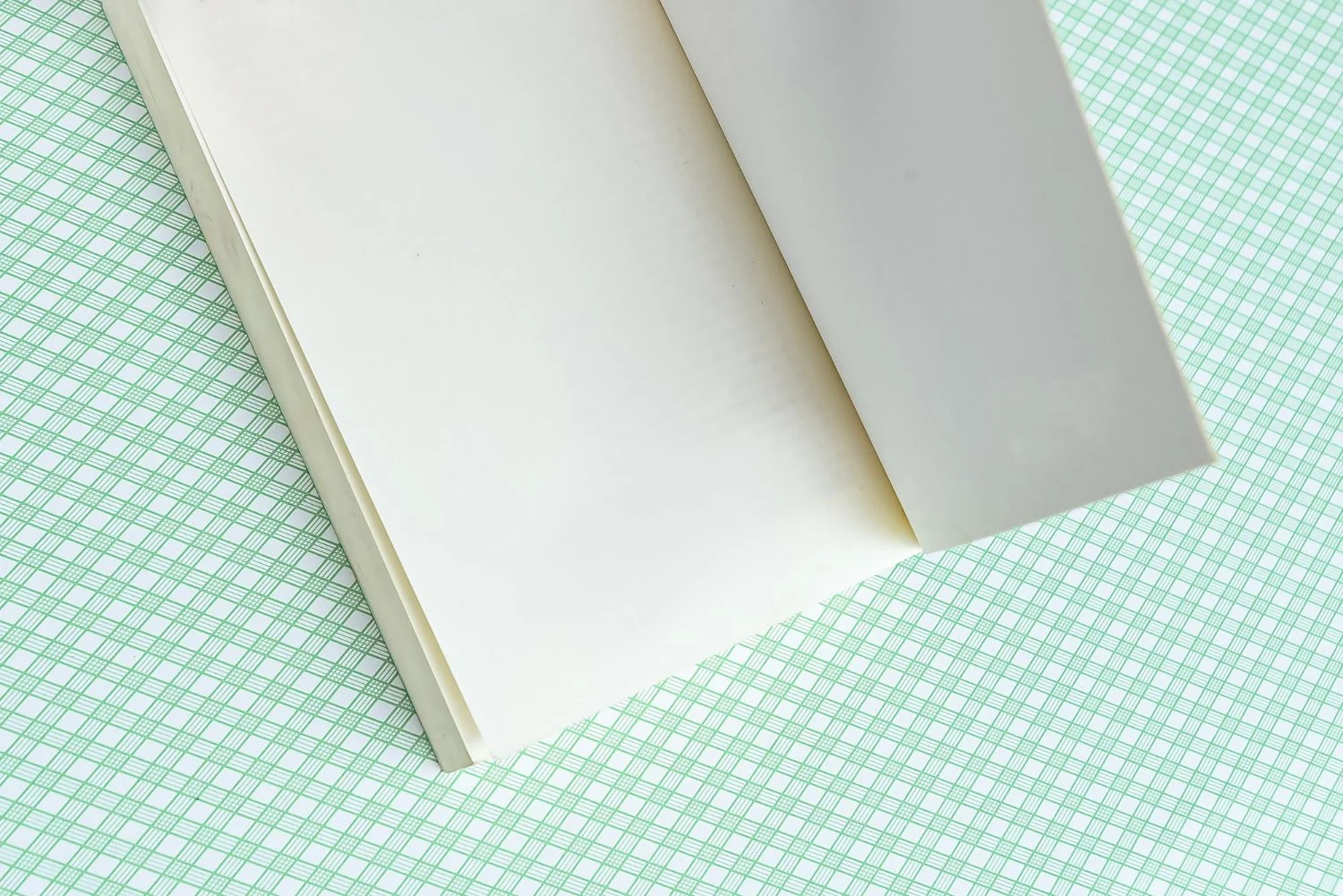
When we think about book printing services UK, paper might not be the first detail that comes to mind, but it should be. The type of paper used shapes everything from the colour depth and text clarity to how the book holds in a reader’s hands. Some pages are built to impress visually, while others are chosen for how they feel or stand up to repeated use. With spring around the corner, more of our projects include student workbooks, guidebooks, and other seasonal reads that need the right stock to stand up to regular handling. So this is a good time to walk through the basics of paper and how much it affects the way a book feels, looks, and lasts once printed.
Understanding Paper in Print Projects
Paper sits at the centre of every print job. It affects the way pages turn, how ink settles, and whether a book feels solid or flimsy. If the wrong paper is picked, even great design can fall flat.
Choosing the right stock improves both the print process and the outcome. With thicker sheets, text can stay neat without bleeding through. With smoother finishes, images tend to sit better, especially edge-to-edge photos or heavy colour blocks.
We often hear from people who assume all pages work the same way. But even a small change in thickness or texture can cause ink to absorb differently, shift the feel in your hand, or change how light reflects off the surface. Some think that coated paper is always better, but it depends on what’s printed. A matte texture might help with reading comfort, while something glossier could give colours more impact. Print compatibility really matters here. Black text might look fine on most materials, but colour usually needs a paper that can hold the ink cleanly without smudging, especially near corners or thin lines.
Choosing Between 100gsm Uncoated and 150gsm Silk
We mainly work with 100gsm uncoated and 150gsm silk paper types, each suited to different content types and formats.
100gsm uncoated paper has a slightly rougher feel. Colours appear softer, and it’s easy on the eyes for long reads. That makes it great for novels, study books, or any page filled with text. The slightly absorbent surface helps avoid glare and supports ink stability across paragraphs.
150gsm silk paper is smoother and holds detail better on image-heavy spreads. It's ideal for books with lots of photos, charts, or visual layouts. Colour prints stay sharper on this type of paper, which suits things like travel guides, catalogues, or instruction manuals.
When using coloured designs or layouts with multiple graphical elements, silk paper usually avoids feathering and keeps the finish tidy. For plain text, uncoated paper gives a traditional look without distracting reflections. Each paper has strengths, and the final choice often depends on what’s on the page.
How Paper Selection Affects Spring Print Projects
As spring approaches, we adjust how we manage paper choices and storage. The season often brings more coursework printing, event guides, and field handbooks. These involve higher volume and quicker turnaround, so having paper that stays stable through changing indoor and outdoor conditions makes a real difference.
Spring tends to bring shifting humidity levels, which can cause thin paper to curl or warp before it’s even printed.
Thicker, silk-coated sheets stay flatter during temperature swings, making them better for shapes that need to hold steady, like A4 guides or folded materials.
Books meant to be carried around (think notes or spring workshops) need durable pages that don’t smudge easily after handling.
We take extra steps to stock, stack, and protect paper in late March to avoid signs of damage like bent corners or sticky runs. When paper behaves well before print, the whole job goes cleaner and quicker.
Seasonal demands highlight the importance of foresight when it comes to material management. For example, during spring, sudden changes in weather and humidity require printers to reassess storage conditions, and even the stacking method can impact the outcome. Preparation in advance helps prevent quality issues that might surface during busy periods.
Planning Ahead for Consistent Print Results
One thing that makes a difference during spring is planning around the expected demand. When paper decisions line up with the type and format of books being printed, the output is more reliable.
Picking the format early (A5, A4, or novel) makes it easier to match the right stock without scrambling for substitutes.
By forecasting which paper will be used most during spring, we order ahead and store according to the planned volume. This helps avoid backups or material switches at the last minute.
Storage matters too. Paper is kept flat and dry, away from sunlight, to protect tone and structure before it ever hits the press.
Reliable book printing services UK don’t just press print. They handle the quiet setup and stocking choices that keep everything moving smoothly when high-demand weeks hit.
Proactive planning is one of the surest ways to provide stability to printing projects. Storing a consistent supply of the most-used papers means printers can respond quickly and accurately to fluctuating order sizes, and disruption risks are reduced. Thoughtful forecasting also helps to avoid situations where last-minute substitutions are necessary, which can compromise the desired outcome.
From Texture to Tone: Choosing Paper that Matches the Message
Some books are clear from the start about what kind of paper they need. Others take more thought. The message, purpose, and setting of your book all play into the paper selection.
A story-led book feels better when soft to touch, with no gloss to distract from the page, so uncoated is often the way to go.
Instructional projects or anything needing clean step visuals often work best in silk, where the eye can land easily on each detail.
A spring gardening guide or event programme might benefit from pages with stronger ink hold and a touch of shine, letting diagrams and colour blocks stay readable out in the light.
Longer days and brighter rooms mean glare becomes a small factor. In soft light, glossy pages pop a bit more, which can help reader focus. For books meant to be browsed in natural light, silk might edge out uncoated in terms of clarity. It’s really about matching the material to what your reader expects to feel and see when they flip a page.
No single stock fits all genres, so balancing feel and function becomes essential. Think about what readers will use the book for, whether they’ll be carrying it around or reading in bright outdoor conditions, and whether visuals need to take center stage or if comfort over long reading sessions is more important.
Why Paper Makes the Difference in Every Book
Books aren’t just about layout or language. The paper built into every page changes how that book lives in a reader’s hands from start to finish. The wrong choice can drag down the design, while the right one helps the content do its job without distraction.
Paper affects first impressions, clarity, and how people experience words and images in real time. A thinner sheet may feel cheap without saving much cost. A glossier one may clash with the tone of memoir-style writing. That’s why we take time to get it right for each print.
Thoughtful choices about materials lead to more consistent results all around. Smooth press runs, quality visuals, and satisfied readers all start with paper that suits the project. Every aspect of a book, from its initial handling to long-term durability, relies on a compatible and carefully chosen stock.
We keep that focus at every stage, so even the parts you don’t see make the process smoother from print to delivery.
Planning a spring print run means it is smart to consider formats and materials early on. The right layout, whether you’re producing a guidebook, workbook, or novel, paired with suitable paper weight and texture can truly benefit your content. See how format and finish work together by browsing our book printing services UK. At Spine Book Printing, we take a precise approach to every project, making sure your choice of paper brings out your book’s best qualities. Contact us to discuss the options for your next project.