How to Use Cheap Paperback Book Printing Without Risk
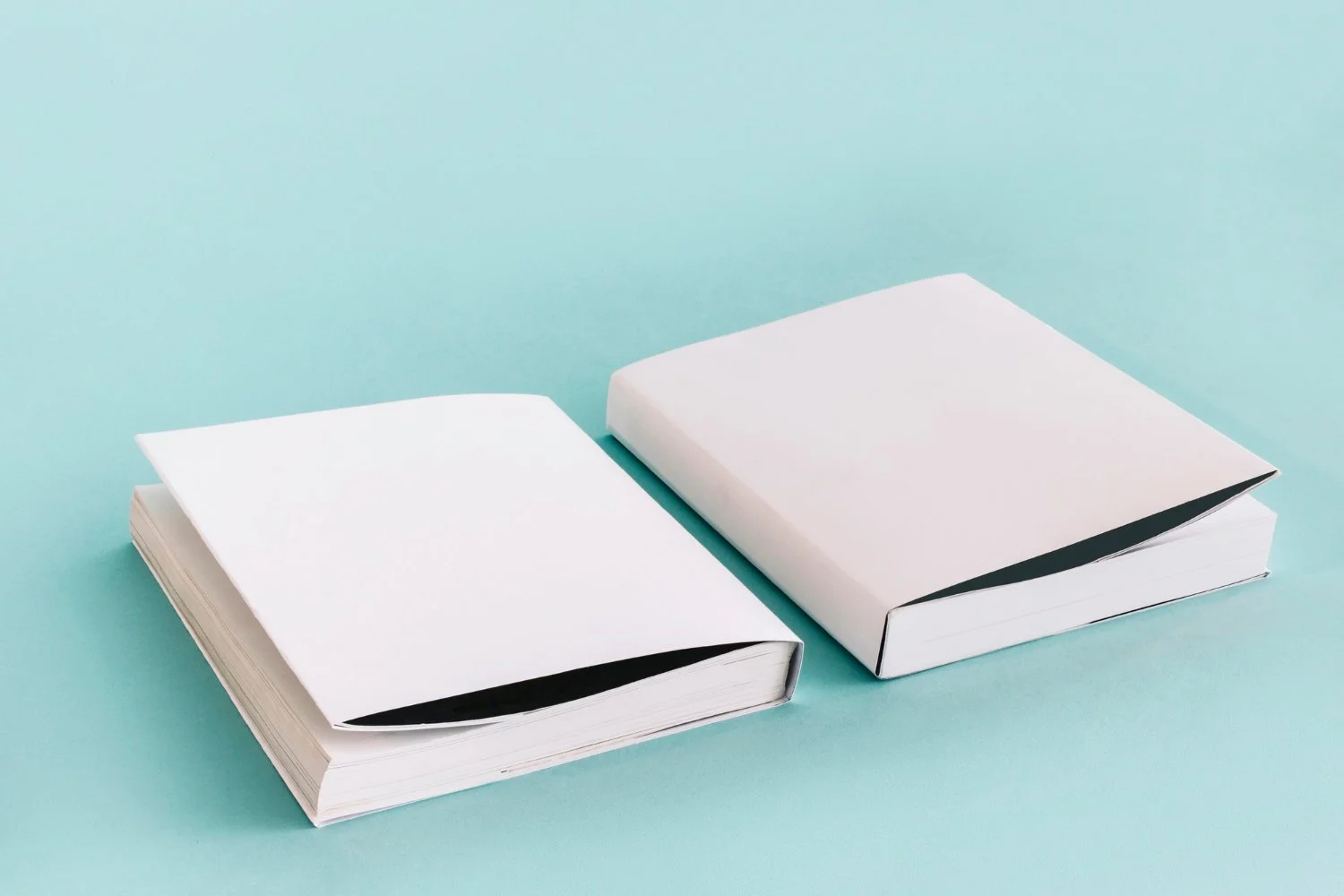
When people hear the phrase cheap paperback book printing, they often think of poor results. Maybe they've seen books with flimsy covers, pages too thin to turn, or spines that quickly give way. That concern makes sense. If you’re sharing a book you’ve worked hard to write or design, you want it to look and feel right in the hands of your readers.
But low cost does not have to mean low quality. With a few smart choices and some planning, you can keep your budget under control and still get a book that holds up well. The key is thinking through each step, not rushing the details, and avoiding the pressure to add expensive extras you may not need.
Think Through the Purpose of Your Book
Before touching any layout settings or print requests, think about what this book is for and who it's for. That shapes every decision that comes next.
Is it something people will read once and pass along, or will it be picked up daily or weekly?
Will people study it closely, or is it more for leisure reading?
Is it meant to sit on shelves, be given as a gift, or be carried around in a rucksack?
The answers help shape size, thickness, and finish. A dense text may work better in a small format, while a visual-heavy gift needs a bit more space to breathe. Avoid packing in features that don’t serve the book’s purpose. Added cost might not always return added value, especially if it won’t improve the reading experience.
Prepare Your File So the Printer Doesn’t Have To
Most printing issues start before the first page is even pressed. Getting the file right from the start saves time, avoids mistakes, and keeps the cost as low as it should be.
Make sure your page size is correct. Don’t try to fix it after layout.
Use margins that allow for binding so nothing gets cut off or swallowed in the spine.
Embed all fonts to stop them from shifting or being replaced.
Number the pages in a way that makes sense when reading from cover to cover.
Keep images away from the very edge to avoid cuts or warping.
One of the biggest delays we see comes from files that weren’t finished before upload. Missing content or loose formatting always ends up slowing things down and brings hidden costs. A careful review saves you more than you might expect. Even if you feel rushed to send your files quickly, it’s worth taking the time to double-check each page, making sure nothing is left out and everything is in the right place.
Choose Materials That Fit the Budget Without Cutting Corners
Where people often worry about cheap printing is in the feel of the book. Paper weight, finish, and cover material all play their part, and every choice feeds into the final cost.
For most books, a mid-weight paper gives a good balance between feel and function.
Longer books might need a slightly firmer sheet to hold shape without feeling bulky.
Spine width shifts with page count, so layout and paper choices have to stay linked.
When it comes to the cover, pick the lamination that matches how the book will be used. Matt can feel softer, but gloss can be more durable with heavy handling.
You do not have to overspend to get something that feels strong in the hands. But choosing the wrong mix of materials can leave you with something that wears out too fast. A little research on paper options might help you feel confident about what you choose for your budget, especially if the book is meant to be handled a lot or kept for a long time.
At Spine Book Printing, our paperback books are available in A5, A4, and novel sizes with a choice of 100gsm uncoated or 150gsm silk paper and a matt or gloss cover finish. You can print in black and white or colour, and every copy is delivered straight to your door so you can keep your project simple and affordable.
The Right Way to Proofread Before You Print
Reading something on a screen is never the same as holding it in print. That’s why checking your physical proof is not just a step, it’s a safeguard.
Layout quirks show up in print that might not appear digitally.
Colours can shift slightly depending on how they’re processed.
Margins and bleeds need to align or you might spot off-centre cuts.
Cover and spine alignment becomes very noticeable once glued and folded.
Build in time for one or two days of extra review. It’s far easier to catch and fix errors before printing a full run than after delivery. This check often confirms which details are working well and which need slight tweaks. You might find it helpful to print out a few sample spreads at home to see how layout features appear and make any final tweaks before you sign off. Consider asking someone else to check the proof as well. Another pair of eyes can catch little things you might miss after working on the same pages for weeks.
Handle Deliveries and Storage During Late Winter
Around mid-February, the season often plays a quiet part in how your book arrives and holds up. Cold snaps and damp weather might not impact printing directly, but they matter when your books are packed and on the move.
Use secure packaging that stops pages from bending or warping in transit.
Avoid letting boxes sit in cold spaces like garages or sheds.
Stack books flat and indoors when they arrive. Quick changes in air temperature can cause page bends or curled covers.
If you have a launch or event coming up in early March, allow recovery time for the books to adjust to room conditions before handing them out.
Planning around the calendar keeps your deliveries on track and reduces risk during the handoff from print to reader. If you know cold or moisture might be an issue, letting your books come to room temperature before opening the box can help keep the pages flat and the cover smooth. This does not take much extra effort and helps each book reach your readers in the best condition possible.
Knowing You Made a Good Print Decision
Spending less should not feel like a compromise. When you’ve planned carefully, sent print-ready files, and chosen materials that match the use of your book, the result feels strong and consistent. Cheap paperback book printing does not mean poor results. It just means being smart with what you include and what you do not.
All the small choices, page size, layout, paper weight, and finish, build on each other. That is what gives the final copy a solid feel when you flip through the pages. There is a certain peace that comes from holding a book that did not cost too much but still came out right. We think that’s a feeling well worth the effort.
If you want smart layout choices that keep costs steady without sacrificing quality, our streamlined setup at Spine Book Printing relies on clear formats and proven materials that work for most books, whether you need handouts or store-ready copies. For anyone wanting simplicity and durability, our option for cheap paperback book printing maintains the quality you expect, minus the extras you do not need. We guide you step by step to help your finished book match your vision. Upload your files or get in touch with us to start your project today.