Which Paperback Features Make Books Easier to Hold
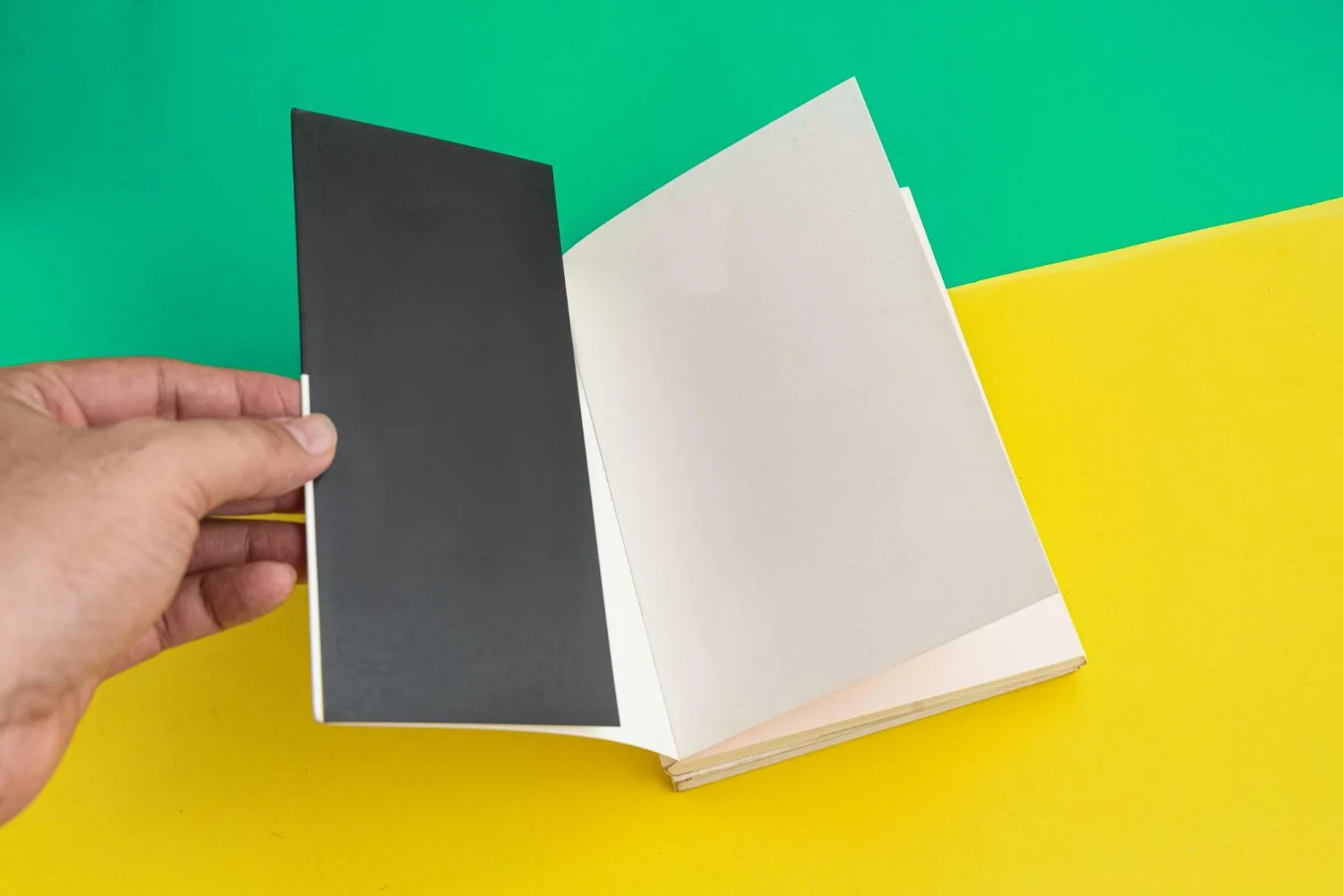
A good book in paperback should feel natural when held, whether you’re reading on the sofa, on a commute, or sitting somewhere chilly in late February. But sometimes a book that looks great isn’t comfortable to handle for very long. Small design choices can affect how easily a book sits in your hands, how much effort it takes to hold it open, and whether it remains readable without strain.
We’ve worked with many books that needed more than just a clean layout. Comfort matters, especially when you’re flipping through pages for hours at a time. This is why we spend as much time thinking about physical features that make reading a smoother experience.
Consider the Size and Shape of the Book
Size says a lot about how a book will feel to hold. A bulky paperback might grab attention on a shelf, but it often becomes harder to manage during long reading sessions.
Smaller sizes, like A5, rest better in most hands. They distribute weight evenly, don’t stretch the fingers too far, and are easier to hold at different angles.
Narrower spines take pressure off the wrist, especially if you’re reading while lying down or standing up.
Rounded corners soften the edges. They don’t dig into your palms and are less likely to show wear or curl up if stored in a bag or passed around.
Getting the shape and size right builds a better base for everything else. Whether the reader is curled up indoors or reading on the move, the book needs to feel steady, not stiff or overbuilt.
Cover Choices That Help with Grip
The finish of a cover does more than protect a book, it changes how it feels between your fingers. For comfort, especially if you read in varying conditions, the right finish is worth reviewing.
Matt lamination offers a smooth but calm surface. It’s easy to grip and resists slipping, even if your hands are cold or slightly damp from the weather.
Gloss finishes reflect more and can be harder to hold. They can feel slick during winter when skin dries out or when wearing gloves.
Stiff covers might look sturdy, but if they don’t flex enough, they make the book resist opening fully. This forces the reader to grip tighter to keep the page flat.
It helps to consider the setting. A reader curled up with a book on a late February evening wants something that bends just enough, with a cover that won't feel like holding a plastic sheet.
Paper Thickness and Weight
Page feel often goes unnoticed until something feels off. If the pages are too thin, they may curl or stick together. If they’re too thick, the book becomes heavier than necessary.
Thicker paper offers structure. It makes turning the page easier, as each sheet holds its form between fingertips.
Lightweight stock can fold at the edge or tear more easily, especially when the book gets frequent use.
A balanced paper weight keeps the book from becoming clunky while improving the feel of each page flip.
Getting this balance right means the book feels solid without being stiff. This lets both light reading and extended sessions flow without effort.
At Spine Book Printing, you can select paperback books in A5 or novel sizes, printed with 100gsm uncoated or 150gsm silk paper for your preferred thickness and page feel. Both matt and gloss laminate covers are available.
Binding Strength and Spine Flexibility
A book won’t hold open comfortably if the binding doesn’t allow for it. We pay close attention to how the spine performs after repeated readings.
Strong, flexible spines hold the book together while letting it fall open on its own.
Too rigid, and it fights back, so you’ll find yourself pressing it down just to read the middle of a page.
Too loose, and the contents can start to wiggle or detach after a few uses.
The glue and structure should hold firmly and still allow for a natural open. A well-bound paperback supports how people read, whether using two hands, one hand, or propping it open.
When and Where You’ll Be Reading
Context changes everything. In late winter, books need to work with gloves, dry skin, colder light, and tight indoor spaces. What feels fine in summer might be harder to manage near the end of February.
Smooth but non-slip covers help when hands are dry or gloved.
Smaller sizes (like A5) fit better in coats and bags for commutes or outdoor reading.
Durable covers and sturdy paper make books more reliable in damp, crisp settings.
It is important to think about how readers interact with books in real life. Finishes that look great in spring don’t always handle winter use well. By choosing features that match real-world habits, the book becomes dependable.
What Makes a Comfortable Read Worth It
Choosing features that make a book easier to hold keeps the focus on the reading itself. When a paperback handles well, there are fewer interruptions. You don’t need to keep adjusting your grip or fight a stiff spine. Reading stays smooth from start to finish.
A paper book should feel good from the moment you pick it up. It should follow your rhythm, not slow you down. When shape, weight, cover, and binding all work together, the only thing you notice is the story itself. That’s the mark of a well-built paperback.
At Spine Book Printing, we understand the importance of a well-crafted book in paperback that feels just right in the reader’s hands. Our team makes it simple to select the ideal size, finish, and paper, supporting a smooth and enjoyable reading experience. Thoughtful features like flexible spines and soft-touch covers improve durability, so your book stands up to frequent use. See our options for a beautifully finished book in paperback. If you have questions or want expert guidance, let us know so we can help you get started.