How Book Printing and Binding Work Together Step by Step
When we talk about book printing and binding as one connected process, we mean the way layout, paper, and cover choices all come together to produce a finished book that reads well and holds up to use. It’s not just about getting words onto pages. Every stage, from how interior files are set up to how glue is applied to the spine, needs to work in the right order so issues don’t roll in just before delivery.
Understanding each step means fewer surprises when we reach the print stage. We’ve learned that planning things early often saves time. Clean layouts and smart file prep help match text to print to binding without needing patch fixes later on. When all parts are aligned, the final product feels comfortable to hold and easy to follow.
Getting the Interior Pages Ready for Print
Before we print anything, we always look at the layout of the manuscript. Clean, consistent formatting makes it easier to move through the design and production stage. When page numbers shift without warning or fonts change mid-chapter, it slows everything down.
We keep a few key points in mind before preparing files:
• Page size should match the final book size during layout
• Margins need to be wide enough to avoid the binding edge
• Files should be exported to PDF with fonts embedded
Photo-heavy books need extra care. Images should be high resolution, and we double-check that none sit too close to trim lines. Page order is another common snag. Flipping one signature can easily push an entire section out of sequence, which then causes problems in binding.
Starting from well-formatted files makes every later stage easier. It gives the book a better visual rhythm and lets the binding hold without pressure from poor alignment. When we focus on these details at the beginning, we reduce the risk of mistakes showing up later, which could end up affecting the whole book.
Matching Print Format to Binding Needs
Choosing between paperback and hardback makes a big difference in how we prep the book. Each format holds the pages differently, so we adjust layout choices well before setting up the print run.
Here’s what we take into account:
• Page count directly affects spine width and cover layout
• Paper thickness changes how much space is needed for folding and glue
• Covers for hardback books require board space and hinge room
If we print on thicker paper, the book becomes bulkier, which means we need extra space at the spine. That affects the inner margin of every page and how the book opens. Lighter paper offers more flexibility but may feel too thin for longer texts. We make these format choices early because they shape the timeline and layout approach.
When layout and format match, books print and bind with less tension. Spines are sturdier, text lines up neatly, and pages turn cleanly without dragging against the centre fold.
At Spine Book Printing, you can choose from either hardback or paperback and select sizes such as A4, A5, or novel. Our paper options include 100gsm uncoated and 150gsm silk for the interior, all finished with your pick of matt or gloss lamination for the cover.
How Binding Actually Happens
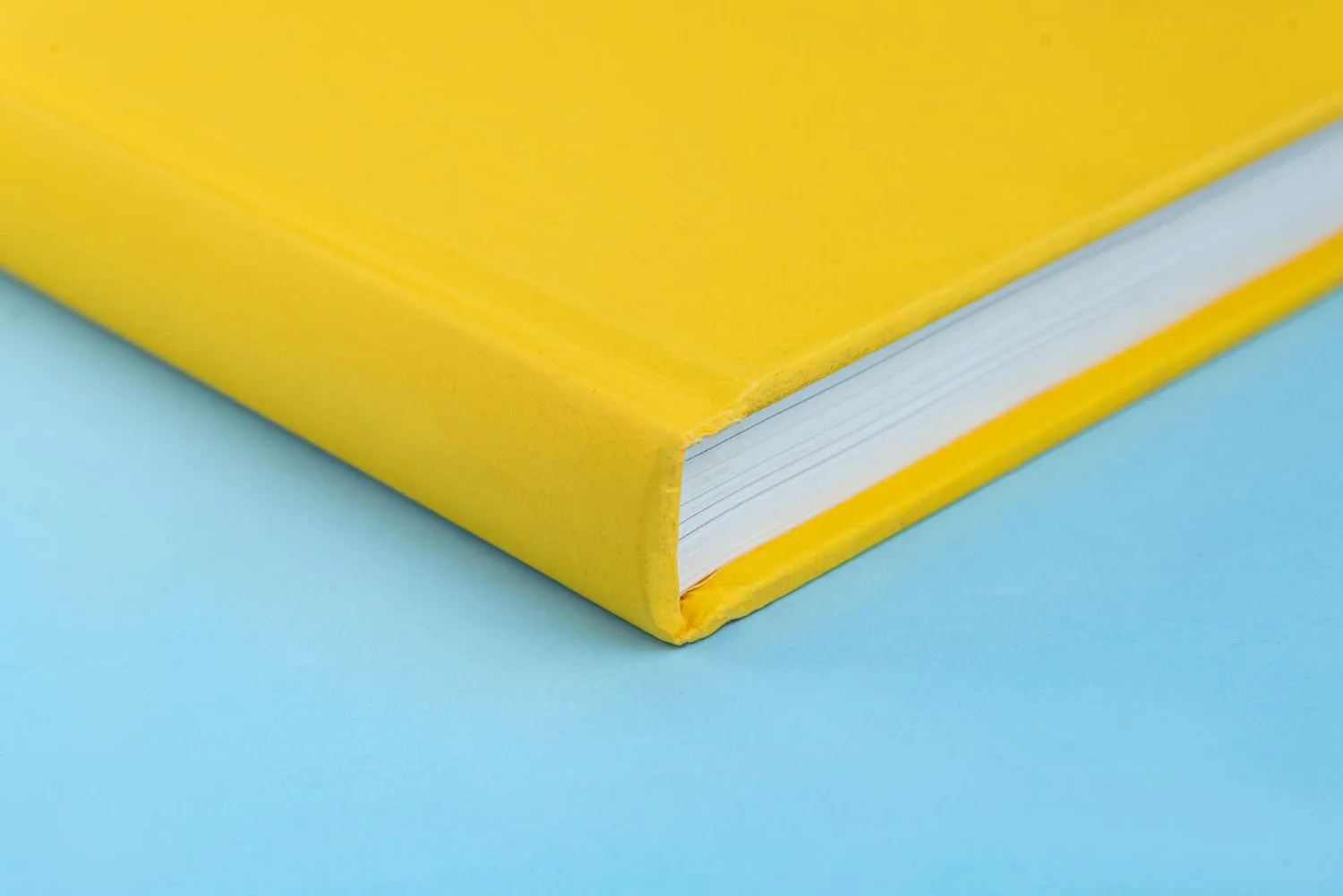
Once the pages print, binding begins. Most of what readers notice, the flat spine, smooth trim, or firm cover, happens in this stage.
We follow a set process:
1. Print signatures are stacked in reading order.
2. Folds are made so pages land in the correct sequence.
3. Spines are glued, pressed, and allowed to set.
4. Covers are attached, then pressed again.
5. Trimming cuts the top, bottom, and outer edge for a smooth finish.
Each of these steps affects the next. If the interior stacks aren’t square, the trim won’t be clean. If glue dries unevenly, the spine may crack or loosen later on. That’s why we give the materials time to settle and make adjustments along the way.
It helps when binding is matched to book length and purpose. Short manuals don’t carry enough weight for thicker covers, while longer books benefit from a stronger hold at the spine. We shape the binding process based on how the book will be handled once printed. This ensures the finished result stands up well to real use and feels right when someone holds it. In fact, a book with the right binding not only stays together longer but is simply more enjoyable to read.
Finishing Touches That Make Everything Work Together
After covers are fixed in place and stacks are trimmed, we look at how everything has come together.
Two steps always round out the process:
• Lamination goes over the cover as a thin protective film.
• Final checks confirm colour, text position, and binding hold.
Lamination can be matt or gloss, each affecting the feel and reflection of light. We choose based on the project style and how the book will be used. Gloss offers a smooth shine, while matt gives a softer, non-reflective finish that still resists scuffing.
We also give newly bound books some time to settle. This allows the glue to fully cure and keeps the inner margins from shifting. Once books are cooled, we inspect the print alignment and make sure everything matches the original layout, especially where images hit fold lines or spread across pages.
None of this feels dramatic, but every small piece supports the next. Attention to these little touches means the book looks fresh and stays in great shape once it reaches the reader.
From Setup to Shelf: How the Process Comes Together
When preparing for book printing and binding, we don’t look at printing as separate from everything before and after. Choosing paper and format, fixing layout issues, setting margins, and matching the file to the binding method all move as one path. Getting the design right means fewer reshuffles when the glue is already setting.
The steps feel more manageable when timing lines up from the start. We keep our tools simple: a clear manuscript, consistent margins, a tested layout, and a clear decision on how the book will be held and used. When all those parts fit, the result is a book that’s comfortable to read and built to last.
At Spine Book Printing, we specialise in guiding your manuscript through every stage, from layout to print, ensuring smooth page flow and quality binding that all begin with thoughtful planning and the right file setup. Whether you're working on a novel or a larger format, you can see how your book might look in its final form by browsing our options for book printing and binding. Our formats and finishes are built to last and always look sharp. Send us a message and we’ll help you get started.